
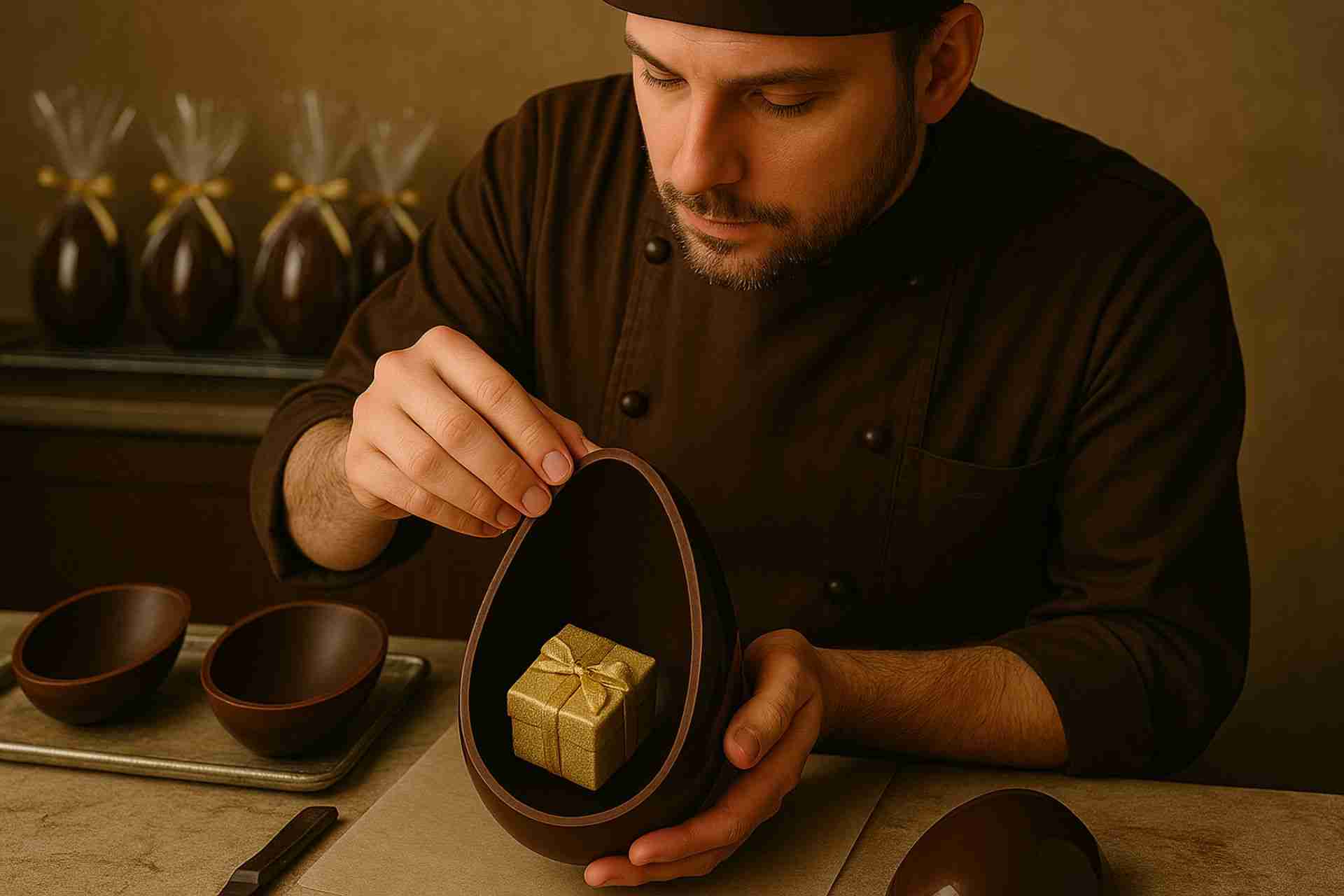
History of Easter eggs in Italy.
History of Easter eggs in Italy: from ancient symbols to chocolate delights
Each spring, as Easter approaches, Italy becomes a blend of color and tradition. Chocolate eggs wrapped in shimmering foil fill shop windows, artisan bakers craft elaborate sweets, and families prepare for festive gatherings that blend faith, food, and folklore. Among these customs, the Easter egg stands out as one of the most recognizable and beloved symbols. But while modern chocolate eggs may seem like a relatively recent invention, the story behind Italy’s Easter egg tradition is much older, and far richer, than it first appears. This article will guide you through the fascinating history of Easter eggs in Italy—from their ancient symbolic origins to their contemporary status as culinary works of art.
History of Easter eggs in Italy: a symbol of life and rebirth
The symbolism of the egg as a representation of life long predates the Easter celebration. In ancient civilizations such as Persia, Egypt, and Rome, eggs were revered as potent emblems of fertility and regeneration. These societies celebrated the arrival of spring—a season associated with planting, growth, and renewal—by exchanging eggs as gifts. These eggs, often painted or decorated, were not merely food items; they were tokens of good fortune and prosperity, echoing the cyclical nature of the earth’s rebirth after the long dormancy of winter. As Christianity spread throughout Europe, the egg was adopted and transformed into a powerful religious symbol. For Christians, the egg came to represent the Resurrection of Jesus Christ—just as life emerges from the sealed shell, so too did Christ rise from the tomb. The egg thus evolved from a pagan token of spring into a sacred Christian emblem of hope and eternal life.
History of Easter eggs in Italy: medieval Italy and the ritualization of the egg
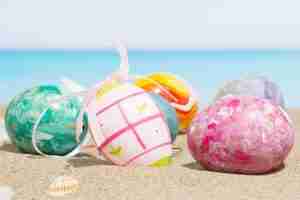
During the Middle Ages, religious practices shaped everyday life in Italy to a profound degree, including what could and couldn’t be consumed during the liturgical calendar. The Lenten fast, observed for 40 days leading up to Easter, prohibited the consumption of animal products, including meat and dairy. Eggs, though abundant in spring, were included in these restrictions. However, hens did not stop laying, and as a result, households amassed significant stores of eggs during Lent. To prevent waste, families began hard-boiling the eggs so they would keep until Easter. Once the fast ended, these preserved eggs became part of the Easter celebration. They were often painted in bright colors using natural dyes derived from vegetables and herbs, transforming them into festive and symbolic gifts. In many rural communities, this tradition took on social dimensions—eggs were exchanged among neighbors, brought to church to be blessed, and even used in games. One popular game still played in some Italian regions is scuccetta, in which two participants tap the pointed ends of their eggs together until one breaks. The player whose egg remains intact is said to have good luck for the year ahead.
History of Easter eggs in Italy: the arrival of chocolate eggs
Although the practice of giving eggs at Easter was well established by the Renaissance, it wasn’t until the 16th century—following the introduction of cocoa from the Americas—that chocolate entered the Italian culinary landscape. Initially, chocolate was a luxury item enjoyed by the elite. It was consumed primarily as a hot drink, often sweetened with sugar and flavored with spices. The art of chocolate-making gradually evolved, and by the 18th and 19th centuries, Italian chocolatiers began experimenting with shaping chocolate into molds. The first chocolate Easter eggs were small and solid, crafted by hand in the workshops of skilled artisans. These early creations bore little resemblance to the ornate confections we see today, but they were nonetheless marvels of craftsmanship. As techniques improved and demand grew, the 20th century ushered in a new era of mass production. Italian confectionery giants such as Perugina, Ferrero, and Caffarel began producing large, hollow chocolate eggs, often with small surprises hidden inside. The idea of placing a gift inside the egg proved to be a masterstroke of marketing and tradition. It appealed not only to children, who eagerly anticipated discovering the toy or trinket within, but also to adults, who began using the Easter egg as a romantic or sentimental gesture. In some cases, eggs contained personalized messages, jewelry, or even engagement rings. The chocolate egg had evolved from a seasonal delicacy into a cultural icon.
Curiosities, regional variations, and modern-day traditions
Italy’s relationship with Easter eggs is not uniform across the country. Like many Italian traditions, it varies by region and is often influenced by local customs and culinary practices. In Northern Italy, for example, cities like Turin—renowned for their chocolate-making heritage—are known for producing exquisitely decorated artisan eggs. These can be filled with liqueur, hazelnut cream, or customized gifts. Some are hand-painted, transforming the egg into a true work of art. These creations are often commissioned weeks in advance and can command impressive prices, reflecting the skill of the chocolatiers. In Central and Southern Italy, more rustic traditions persist. Families often create their own chocolate eggs at home, melting and molding the chocolate together and inserting personalized surprises. In small villages, especially in Calabria, Apulia, and Sicily, hard-boiled eggs are sometimes incorporated into savory Easter breads—braided loaves that are baked with whole eggs tucked into the dough. These breads are not only decorative but also deeply symbolic, representing fertility and rebirth. Another fascinating curiosity is the growing size of Easter eggs. In contemporary Italy, bigger often means better. It is not unusual to see eggs that are over a meter tall in specialty stores or displayed in piazzas during Easter festivals. These giant eggs often become the centerpiece of public events or charity auctions, with proceeds donated to children’s hospitals or community organizations.
Easter in Italy today: faith, family, and flavor
Despite modernization and the increasing commercialization of holidays, Easter in Italy remains a deeply spiritual and family-oriented celebration. Religious observances play a central role, particularly in towns and cities with strong Catholic traditions. On Good Friday, many communities hold solemn processions reenacting the Passion of Christ. Easter Sunday begins with Mass, followed by a lavish meal shared among family members. The Easter egg continues to play a central role in these festivities—not just as a gift, but as a symbol that bridges the sacred and the secular. For children, the excitement of receiving and opening a chocolate egg adds magic to the holiday. For adults, it is a sweet token of affection, a tradition that connects generations through a shared cultural heritage. Beyond the chocolate, Italians also enjoy a host of other Easter specialties. Chief among them is la Colomba di Pasqua, a dove-shaped cake made from a rich, yeasted dough and topped with almonds and pearl sugar. This dessert, along with the Easter egg, completes the table and underscores the Italian love for both symbolism and taste.
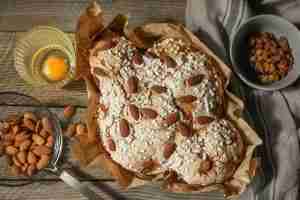
Colomba di Pasqua
History of Easter eggs in Italy: a tradition that transcends generations
The history of Easter eggs in Italy is more than a tale of chocolate. It is a story of transformation—of ancient rituals adapted to new religions, of humble ingredients elevated by craftsmanship, and of seasonal joy expressed through food and family. While American traditions often center on Easter egg hunts and candy baskets, the Italian approach is imbued with layers of symbolism, artistry, and communal pride. Whether you’re unwrapping a foil-covered chocolate egg from an Italian shop or baking a traditional Easter bread at home, you’re participating in a tradition that has evolved over centuries. It’s a tradition that celebrates not just Easter, but the enduring Italian passion for beauty, flavor, and meaningful rituals. If you’re planning a trip to Italy during Easter, be sure to visit a local pasticceria or artisan chocolate shop. You’ll find more than just sweets—you’ll discover a piece of living history.
