
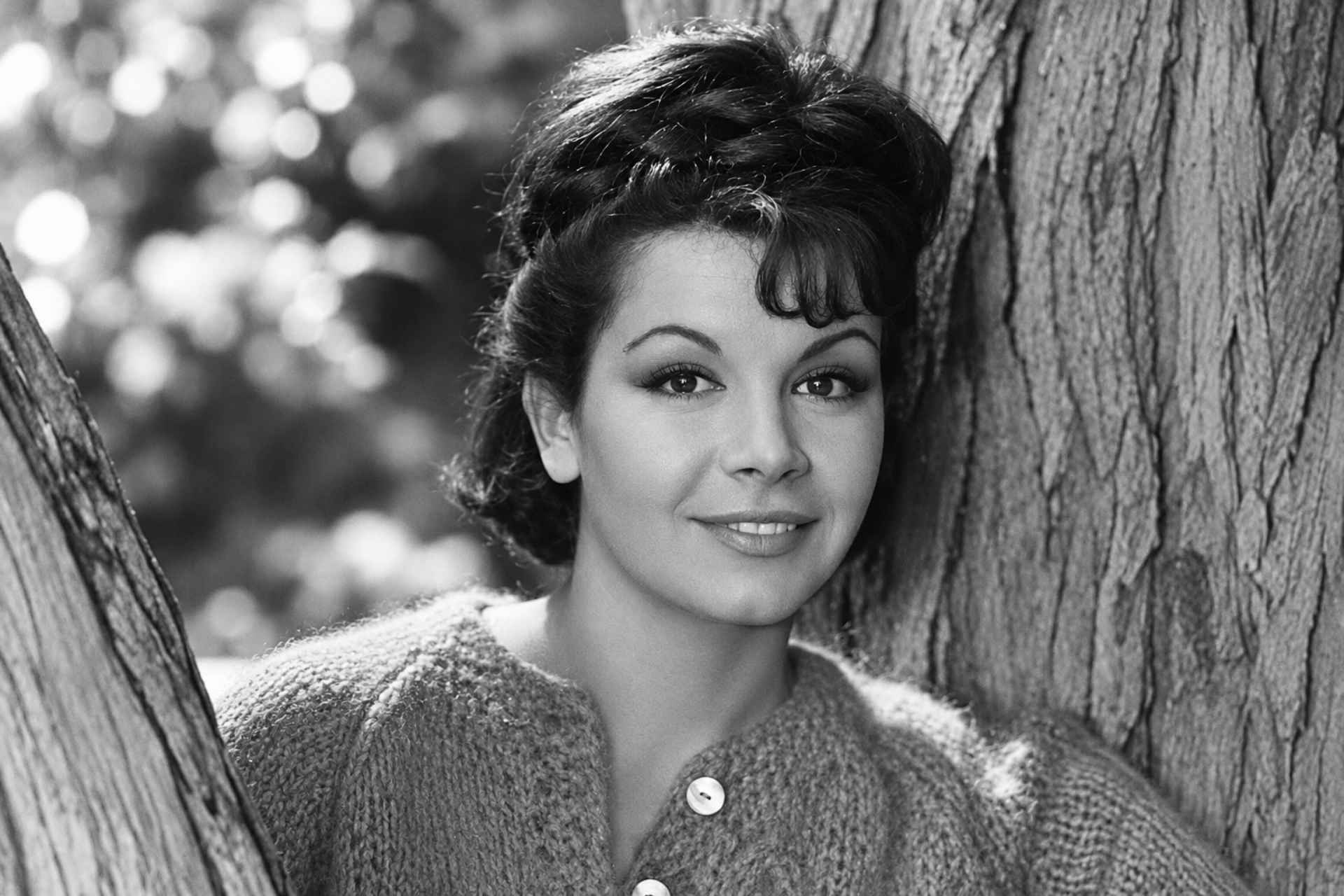
Before the beach movies, the pop records, and the famous mouse ears, there was a shy girl from an Italian American family. Annette Joanne Funicello was born in Utica, New York, on October 22, 1942, to Joseph and Virginia Funicello. Family friend and writer Lorraine Santoli traced their roots to Naples, placing Annette Funicello within the long history of southern Italian migration to America.
Her parents moved the family to Southern California when she was four, years before television made their daughter recognizable across the country. Her heritage remained visible in a surname that Hollywood might easily have shortened. According to accounts of her early career, Annette considered adopting something more conventionally American, but Walt Disney encouraged her to keep Annette Funicello because people would remember it. They certainly did.
That detail gives her success a particular resonance: a girl with an unmistakably Italian name became a familiar image of American adolescence. She did not build her career around ethnic impersonations or exaggerated accents. Her presence itself broadened the picture. The friendly teenager on television could belong to an Italian American household and still feel familiar to viewers everywhere. For families whose names marked them as different, that kind of recognition mattered, even when it arrived inside a cheerful children’s variety show.
Annette Funicello
The shy girl who became a Mouseketeer
Dance lessons were initially intended to help Annette Funicello overcome her shyness. Instead, they opened an extraordinary door. In 1955, Walt Disney saw the twelve-year-old perform at a dance recital in Burbank and selected her for “The Mickey Mouse Club”. The program brought singing, dancing, comedy, and continuing stories into American living rooms, turning its young performers into companions for children watching at home.
Annette Funicello quickly became a favorite. Disney’s official biography records that she was receiving around six thousand fan letters a month by the end of the first season. Talk about hitting the big time. What made her appealing was an unusual combination of poise and reserve: she could perform confidently without appearing remote or overly polished. Her name, printed across her costume, helped make that connection wonderfully direct. Viewers did not need an elaborate introduction; there was Annette, back again.
She appeared in serials including “Spin and Marty” and eventually one bearing her own name. After the original show’s production ended, Disney kept her under contract and developed further opportunities for her. The transition was important. A child performer whose popularity might have lasted only as long as one television program was being given room to become a recording artist and a film actress as well.
Annette Funicello: pop records, movie roles, and a musical surprise
Her recording career grew from the audience’s response to a song performed in the Annette Funicello television serial, “How Will I Know My Love”. Requests for the music helped convince Disney that her appeal could extend beyond the screen. Soon, songs such as “Tall Paul”, “O Dio Mio”, and Pineapple Princess gave that instinct commercial substance. “Tall Paul” reached number seven on the Billboard Hot 100 in 1959, while “Pineapple Princess” followed in 1960 with its playful tropical fantasy.
These records were bright, compact pieces of teenage pop, built around memorable melodies and Annette’s approachable delivery. They also connect her to a much larger chapter of entertainment history. Richard and Robert Sherman wrote material for her before becoming central figures in Disney songwriting; their success with Annette helped bring them to Walt’s attention.
Behind the cheerful records were skilled writers, arrangements, and studio craft. Her film work expanded alongside the music, including “The Shaggy Dog”, “Babes in Toyland”, “The Misadventures of Merlin Jones”, and “The Monkey’s Uncle”. The last offered a particularly delightful musical encounter: Annette Funicello performing with the Beach Boys.
Seen together, these credits reveal someone moving comfortably among several forms of entertainment. The mouse ears introduced her, but they cannot explain the whole career. By her twenties, she had considerably more going on.
Frankie, Annette, and the endless summer
The next transformation arrived with Beach Party in 1963. Paired with Frankie Avalon, another performer of Italian American background, Annette became part of a screen partnership inseparable from the fantasy of endless California summer. “Muscle Beach Party”, “Bikini Beach”, and “Beach Blanket Bingo” followed, mixing flirtation, music, comic misunderstandings, and adults who rarely understood what the youngsters were doing.
The plots could be wonderfully ridiculous. That was part of the deal: audiences came for personalities, songs, and a sunny escape. Annette Funicello supplied a steady center, meeting Avalon’s confidence with warmth, irritation, and a clear sense of her own boundaries. Their chemistry made the recurring romantic quarrels easy to enjoy.
Meanwhile, the films negotiated the era’s complicated expectations of young women, promising excitement while protecting their heroine’s respectable image. Disney’s request that she wear modest swimwear became a famous detail of this balancing act. Another, more amusing detail punctures the effortless beach fantasy: Annette later explained that she wore wigs in the pictures because water was unkind to her naturally curly hair.
Family life and a comeback with a wink
Away from the screen, Annette’s life followed a different rhythm from the permanent vacation associated with Frankie and Annette. She married talent agent Jack Gilardi in 1965, and they had three children: Gina, Jack Jr., and Jason. She reduced her acting commitments while raising them, although television appearances and commercial work kept her in public view.
Her years advertising Skippy peanut butter introduced her to viewers who had never watched the original “Mickey Mouse Club”. The familiar screen teenager had become a reassuring adult presence in another generation’s living room.
Her marriage to Gilardi ended in divorce, and in 1986 she married horse trainer Glen Holt. The following year brought a particularly enjoyable professional return: Back to the Beach, directed by Lyndall Hobbs, reunited her with Avalon as adults confronting their children’s generation. Rather than simply repeating the old formula, the film cheerfully mocked it.
Annette Funicello joined Fishbone for Jamaica Ska, a musical meeting that gave her sunny image an unexpected setting. She was clearly in on the joke. Roger Ebert responded enthusiastically to the film’s comic energy and affectionate satire. The return showed a performer capable of enjoying her own legend without being trapped inside it. Concert appearances with Avalon in 1989 and 1990 extended that reunion beyond the cinema.
Speaking honestly about an unfair illness
During the period of her screen comeback, Annette began experiencing the symptoms that led to a diagnosis of multiple sclerosis in 1987. She initially kept the diagnosis private, then spoke publicly about it in 1992. The decision changed how audiences understood the woman they had associated with uncomplicated happiness.
Her increasing difficulty walking had invited hurtful speculation; explaining what was happening allowed her to speak for herself. The following year, she established a research fund supporting work on multiple sclerosis and other neurological diseases. Her 1994 autobiography, “A Dream Is a Wish Your Heart Makes: My Story”, written with Patricia Romanowski, also allowed her to revisit her experiences in her own voice. A television adaptation followed in 1995, including an appearance by Annette herself.
As her illness advanced, Holt became an important source of daily support. She died in Bakersfield, California, on April 8, 2013, aged seventy. Any account of her life needs to acknowledge that suffering without allowing it to swallow everything that came before. She was a performer, a mother, a colleague, and a woman navigating profound changes in her independence. Her public openness gave a familiar face to a difficult condition.
It also challenged the comforting assumption that someone who had brought so much happiness to others must have lived a life untouched by hardship.
Annette Funicello today: a name that still belongs
Annette’s present is therefore the continuing life of her work and memory. Disney named her a Legend in 1992, and she received a star on the Hollywood Walk of Fame in 1993. After her death, the company dedicated its Stage 1 at the Burbank studio lot to her, placing her name, in her own handwriting, on a building connected to the production of entertainment.
It is a fitting memorial for someone so closely associated with the studio’s early television identity. Her records and films also preserve different versions of her: the young dancer, the pop singer, the comic romantic lead, and the adult performer willing to revisit her image with humor. The research fund bearing her name maintains an online donation page, another public expression of the purpose she gave to her fame.
Remembering her well means holding these strands together. A photograph in mouse ears captures a moment, but cannot contain decades of work, parenthood, illness, and advocacy.
Her image remains especially useful for thinking about the history of American girlhood: who was allowed to appear ordinary, appealing, respectable, and fully at home on the national screen. Her Italian surname belongs inside that story. It was there from the beginning, becoming familiar through repetition, affection, and the simple fact of her presence.
The next generation’s Annette
The future of Annette Funicello’s story belongs to the people who choose to watch, preserve, and reconsider it. Its next chapter can unfold through film screenings, musical rediscoveries, and fresh perspectives on her cultural significance. That means making room for younger audiences to encounter the performances themselves.
A beach comedy can be enjoyed for its music and silliness while also prompting questions about gender, celebrity, and the America it imagined. Her Disney years offer an early example of a performer moving between television, records, and movies, a career pattern that later became familiar across the entertainment industry. Her Italian American background adds another perspective, showing how national identity changes through the faces and names people welcome into their homes.
Future writing about her can also give proper attention to the woman beyond the marketable smile: the working performer, the parent, and the public figure who discussed illness when silence might have seemed easier. For a first encounter, Pineapple Princess provides the musical sparkle; Back to the Beach reveals the comic wink.
There is plenty to discover beyond the souvenir image. Annette Funicello’s strongest claim on future audiences is still the same quality that made viewers notice her decades ago: she makes a carefully staged performance feel like a friendly invitation to come a little closer.
