
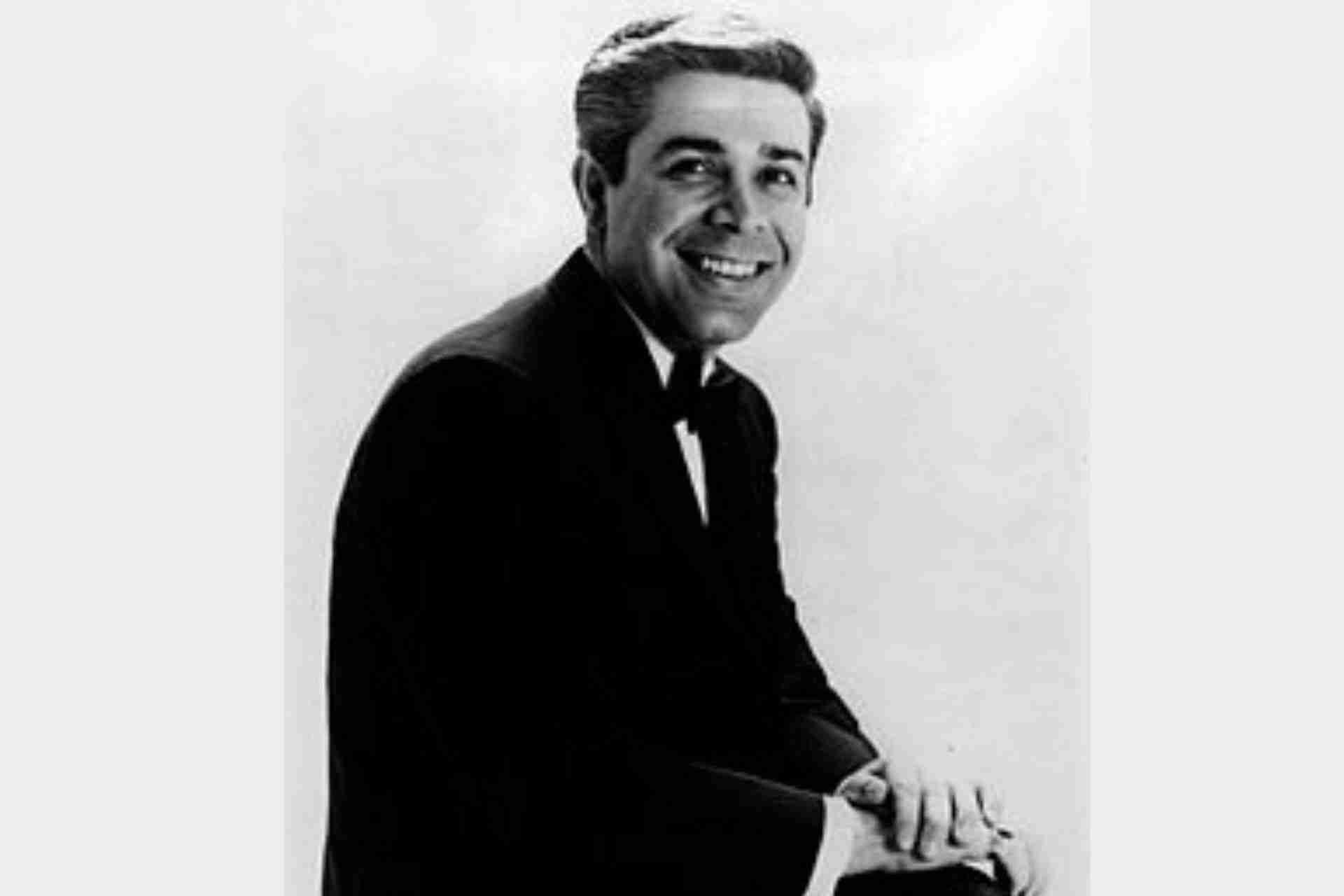
Jerry Vale: a lost legend of American music
A velvet voice, a Bronx beginning: who was Jerry Vale?
Let’s begin where all good Italian-American stories do: in the Bronx, where street corners echo with laughter, sauce simmers on the stove, and Sinatra isn’t just music—it’s gospel. But just a few blocks from where Frank was spinning records and Dean was charming crowds, a young boy named Gennaro Louis Vitaliano—Jerry Vale—was shining shoes in a barbershop and singing while he worked. Born July 8, 1930, to Italian immigrants, Jerry Vale wasn’t handed a microphone. He had to sing his way into the American imagination, one note at a time. His voice—polished, romantic, emotional—didn’t scream for attention. It invited you in, like the smell of fresh bread on a Sunday morning. For many second- and third-generation Italian Americans, Jerry Vale wasn’t just a singer. He was a memory in motion.
The soundtrack to a diaspora: why Jerry Vale meant so much to so many
To understand Jerry Vale is to understand what it meant to be Italian in America in the 1950s and 1960s. His voice was the musical translation of an identity in flux: not quite Italian anymore, not yet fully American. Unlike the swagger of Sinatra or the comedy of Dean Martin, Jerry Vale sang pure sentiment. Songs like “You Don’t Know Me”, “Innamorata”, or “I Have But One Heart” weren’t just love ballads—they were cultural preservation, smuggled onto vinyl. He made people cry. But more than that, he made people feel proud to cry—especially Italian men who grew up being told to toughen up. Jerry Vale made it okay to be emotional, to love your roots, to long for the Italy you never got to see but always carried in your blood.
Singing in Italian on American radio? That was revolutionary
Let’s pause for a moment and reflect on the audacity of it. At a time when many Italians were changing their names to sound “less foreign” and hiding their accents to get jobs, Jerry Vale was on national radio singing:
“Arrivederci, Roma”
“Non Dimenticar”
“Ti Adoro”.
He didn’t just occasionally sprinkle in Italian words. He recorded full albums in Italian, unapologetically and with reverence. That mattered. In a post-war America eager to flatten ethnicity into mainstream whiteness, Jerry Vale did the opposite: he elevated his heritage, making it something beautiful, elegant, and worthy of national attention. His records weren’t novelty acts. They were love letters to Italy from a son raised in the Bronx. And they worked. Across the country, even non-Italians fell in love with these songs. He didn’t just remind immigrants of home—he invited everyone else in.
Jerry Vale in 1965
From nightclubs to Columbia Records: the rise of a gentle icon
Jerry Vale’s early gigs were in small clubs and lounges, where he’d croon to small audiences and win hearts one table at a time. But everything changed when Mitch Miller, the legendary Columbia Records producer, heard him sing. That was the moment Jerry Vale’s fate became history. Signed to Columbia, he shared a label with Tony Bennett and Johnny Mathis, but carved out a niche of his own. Where Bennett leaned into jazz and Mathis into soft pop, Vale stayed close to the soul of Italian-American sentiment. His albums often featured lush orchestral arrangements, echoing the cinematic soundtracks of postwar Italy, and his album covers—always impeccably styled—became visual symbols of Italian-American dignity and masculinity. By the late 1950s and early ’60s, he was a regular on The Ed Sullivan Show, and his records were spinning on jukeboxes from Brooklyn to Bakersfield.
Hollywood loved him too—Especially Scorsese
You don’t just end up in Goodfellas and Casino by accident. Martin Scorsese, himself the son of Sicilian immigrants, knew what he was doing. He didn’t cast Jerry Vale just because he liked his music—he cast him because he was the music of that world. In Casino, Jerry Vale appears on stage, singing to a crowd of sharply dressed mobsters. It’s not just a performance—it’s a moment of cinematic ritual. A reminder that beneath the violence and excess, there was a code, a tradition, a yearning for something softer, deeper, and older than Las Vegas could offer. Vale was a totem of a generation—of the old ways, of emotion over ambition. When Jerry Vale sings in a Scorsese film, it isn’t background music. It’s emotional archaeology.
The birthday we should still celebrate
This July, Jerry Vale would have turned 95 years old. You probably didn’t see any trending hashtags. No anniversary box sets. No tribute specials on late-night TV. And that’s a shame. Because in forgetting Jerry Vale, we risk forgetting a piece of ourselves—especially if you’re Italian American. Vale wasn’t just music. He was Sunday dinners, first dances at weddings, long drives with your grandfather, the sound of love stories that survived the ocean crossing. He was tradition without kitsch. Emotion without embarrassment. Listening to Jerry Vale today is an act of cultural recovery. You’re not just playing a song—you’re tuning into a lost frequency of pride, grace, and understated power. And that voice? It still melts you, the way it did in 1962.
A legacy that still resonates (If you know where to listen)
Vale’s music isn’t for algorithms. It’s for hearts. It doesn’t spike your dopamine—it sits with you, lingers, like the smell of your grandmother’s cooking or the hush in a church before mass. In an era that prizes irony, speed, and constant reinvention, Jerry Vale reminds us of the power of staying rooted. Of knowing who you are. Of singing your love for a place you may never see again, but never stop belonging to. Today, his vinyls are collector’s items, his songs quietly live on in Spotify playlists titled “Italian Dinner,” and his name gets whispered with reverence by those who remember. But he deserves more than whispers. He deserves remembrance. So this July—or any time, really—put on “Innamorata” or “You’re My Everything”, close your eyes, and let Jerry Vale remind you what music used to be: honest, romantic, and proud.
